Special Feature 2Utilizing Local Resources for Regional Revitalization: The Challenge of the Regional Future Strategy Department
Background Regional Revitalization Initiatives by a Future Environmental Design Company
A challenge in regional revitalization projects
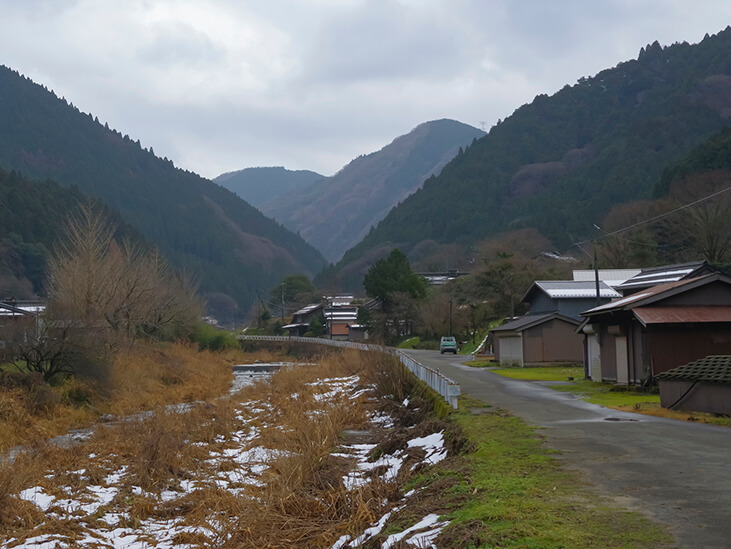
Currently, many regions in Japan are facing serious social challenges such as population decline, depopulation, and stagnant local economies. On the other hand, each region still holds untapped resources, including unique and rich natural environments, history, and culture.
Our group leverages the planning and development expertise we have accumulated through diverse businesses, including housing construction, to develop regional revitalization projects aimed at solving social issues in these areas and achieving sustainable development.
Rather than pursuing uniform development, we will contribute to creating sustainable and vibrant cities for the future by listening to the voices of the local community and solving problems rooted in the regions.
 In the Region
Social Issues
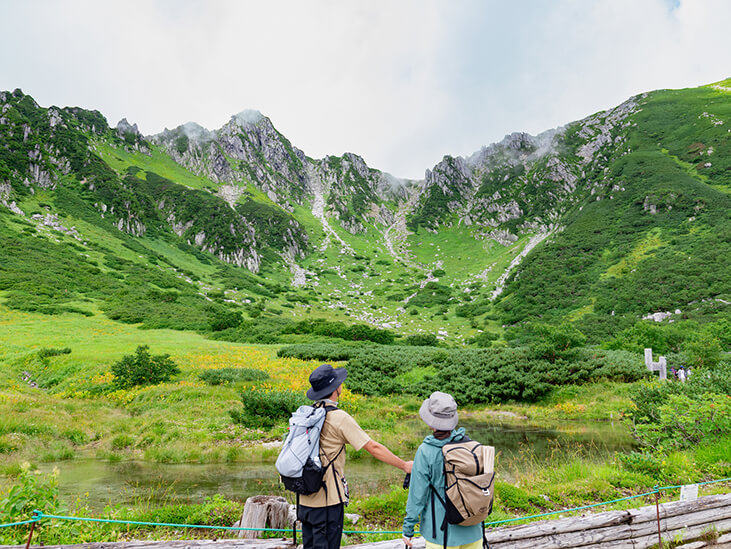 Local Resources
 Cultivated
Development Capabilities
Regional revitalization projects
Business Overview & Vision: Becoming a key player in the field of regional revitalization
We collaborate with local governments and businesses to create a vibrant community
The Regional Future Strategy Department under MIRARTH Holdings’ Group Business Leading Office undertakes projects that contribute to regional revitalization. In addition, the Department engages in real estate businesses that contribute to creating vibrant communities, and public-private partnership projects such as Public Private Partnership (PPP)*1and Private Finance Initiative (PFI)*2. Through these projects, the Department collaborates with local governments and companies to energize local communities and ultimately contribute to revitalizing regional economies.
The vision of the Regional Future Strategy Department is to “become a key player in the field of regional revitalization while balancing business growth and contribution to local communities.” The Department aims to transform the Group’s social responsibility initiatives into viable business models, drive sustainable economic activities, and revitalize local communities. To achieve this vision, the Department is executing its initiatives in three phases. Currently, the initiative is in Phase 1, aiming to build a strong track record through as many projects as possible.
- *1 A concept or idea that aims to improve various public services provided by the government (Public) by fostering collaboration (Partnership) between the government and the private sector (Private) and utilizing the diverse know-how and technologies possessed by the private sector, thereby improving public services, the efficiency of public fund utilization, and the efficiency of government operations.
- *2 A method based on the PFI Act for constructing, maintaining, and operating public facilities and other infrastructure by utilizing private funds, management capabilities, and technical expertise.
Three Phases Towards Achieving the Vision of the Regional Future Strategy Department
Initiating multiple projects and building a track record
The goal is to establish a system for obtaining information from local governments at an early stage, and to create channels for obtaining information on regional revitalization projects and business transactions among private-sector companies. To achieve this, building networks with regional revitalization project coordinators is effective, but it is also essential to establish a certain level of track record. First, we will carefully proceed with building up that experience.

Driving consistent commercialization of projects and gaining trust
The Department will steadily commercialize projects initiated in Phase 1. By actively taking on numerous projects, the Department will expand its network and gain credibility in the field of regional revitalization. This will enable us to handle an increasing number of consultations and projects that are larger in scale and require broader relationships.

Becoming a key player in regional revitalization
The Department aims to become a key player in the field of regional revitalization. Leveraging its track record and reputation, the Department will creates a virtuous cycle where project opportunities naturally arise from external sources, establishing a system that enables it to undertake projects from a more multifaceted perspective while utilizing the expertise and network we have cultivated during Phases 1 and 2.

VOICE 唯一無二の目的地を創り出す
Group Business Leading Office
Regional Future Strategy Department
Department Head Hideya Mimura
The regions where we conduct business each face different challenges, but at the same time, they hold many hidden "Takara (treasures)." These "Takara" refer to potential assets that hold the key to revitalization, such as unique tourism resources. We find great satisfaction in unearthing these treasures through our ideas and networks, and effectively utilizing them to solve regional issues. Furthermore, as we advance our projects, we often have the opportunity to interact with people who have a strong passion for their communities. Working with such individuals is one of the unique rewards of regional revitalization projects.
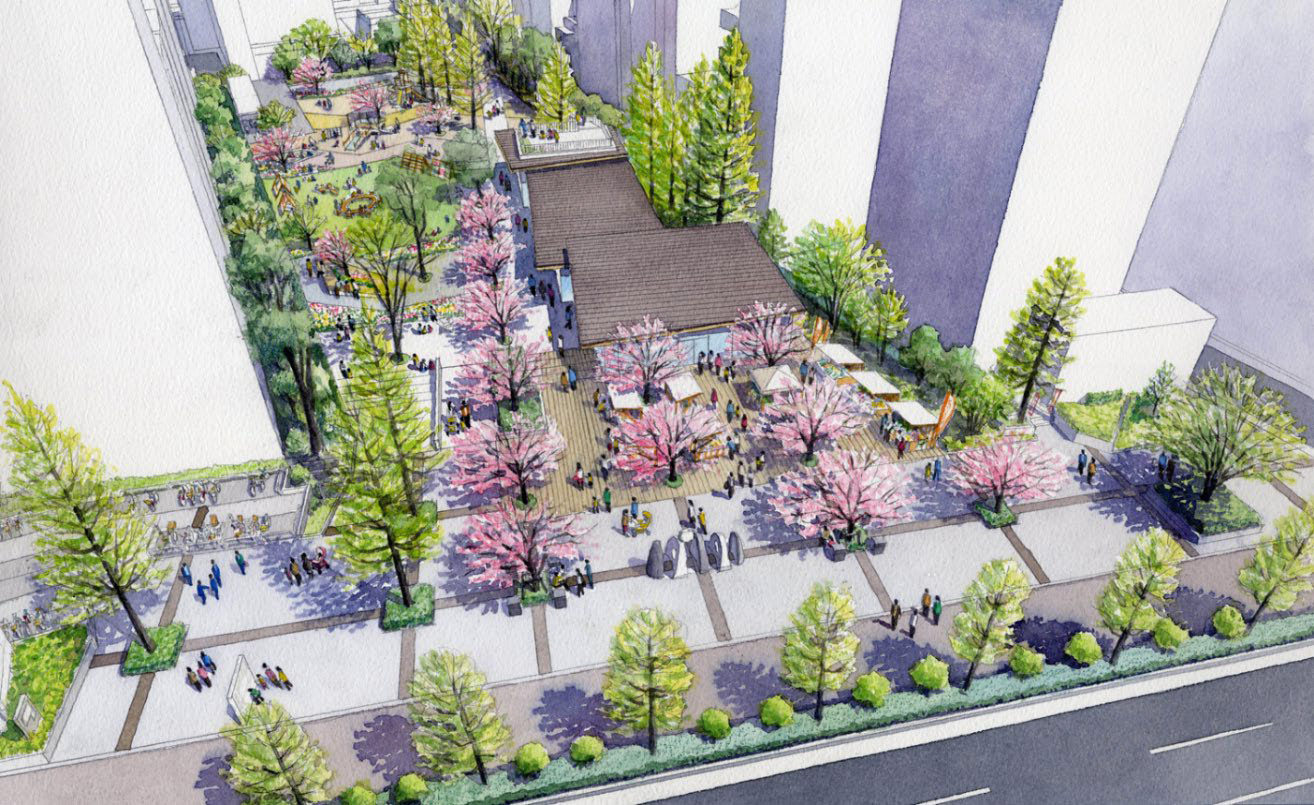
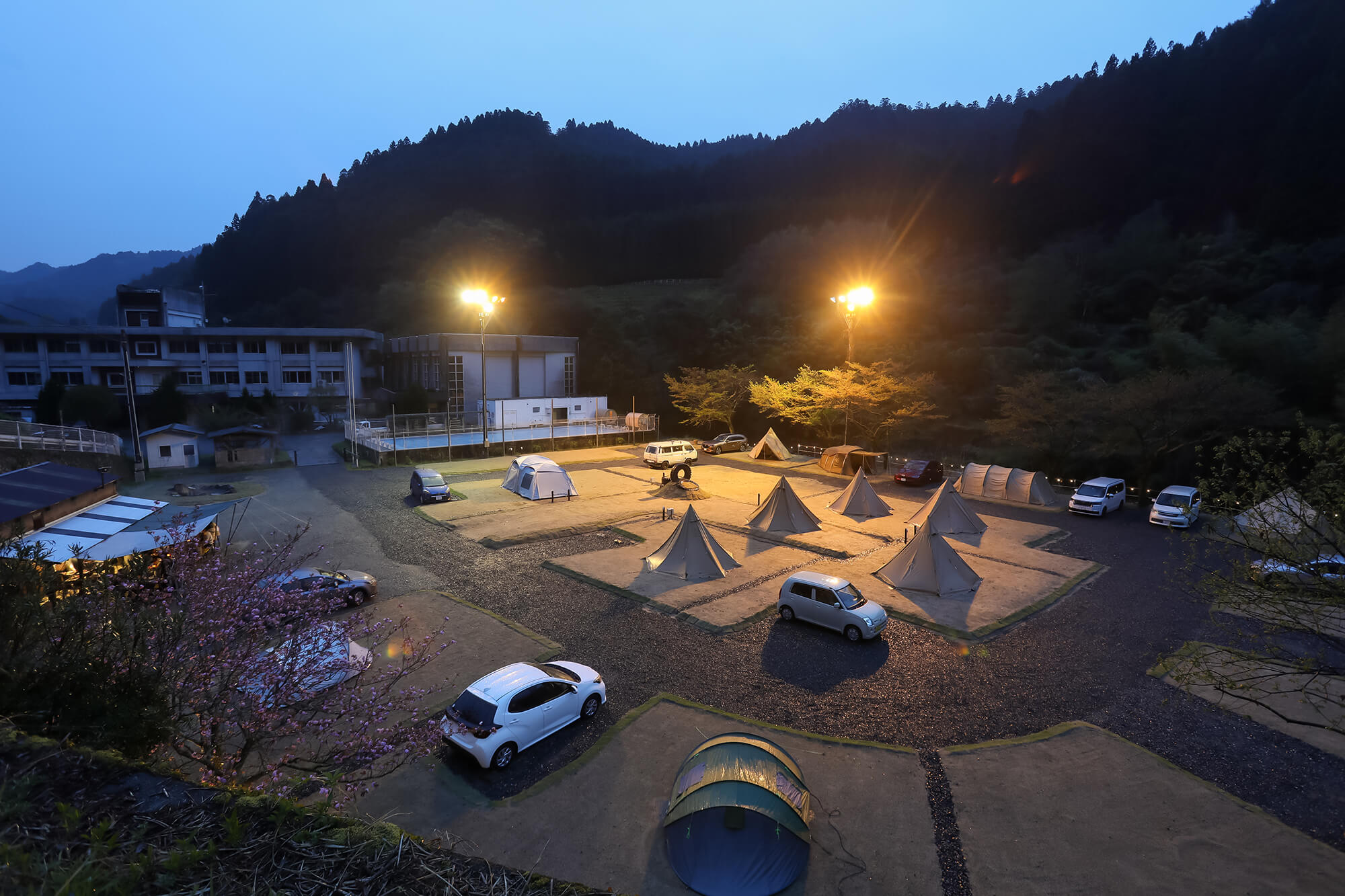
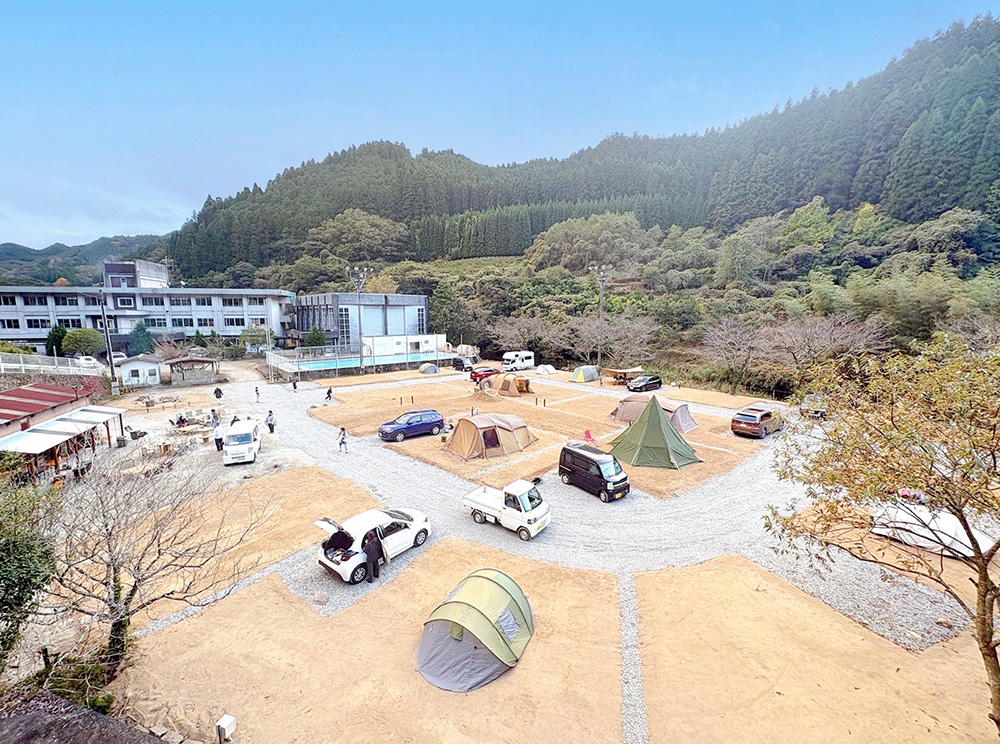
Regional revitalization projects take a long time to take shape, from planning to land development, building construction, and operational preparations. However, even after spending time completing a building and bringing it to its opening, our involvement does not end there. For example, at “UKIHA RIVERCAMP,” which had its grand opening in April 2025 in Ukiha City, Fukuoka, we continue to be involved in the business by collaborating with the operating company even after the opening. Similarly, in the "Chuo Ward Sakuragawa Park Public-Private Partnership Project (Park-PFI Project)" in Chuo Ward, Tokyo, the plan is not only to renovate and improve the park, but also to continuously enhance its appeal by planning and managing events held in the park.
There are still many areas in Japan where local resources are not being fully utilized. These resources are often so familiar to local residents that their true value may go unnoticed. However, when private-sector companies like ours become involved, there is significant potential to transform such resources into valuable assets. The Department will continue to take on the challenge of discovering resources that lie dormant in local communities and creating "one-of-a-kind destinations" that everyone will want to visit.
Cases: Initiatives in Various Regions
Ukiha City, Fukuoka Prefecture | UKIHA RIVERCAMP
Issues in Ukiha City
- - The aging population and population decline are progressing, particularly in mountainous areas.
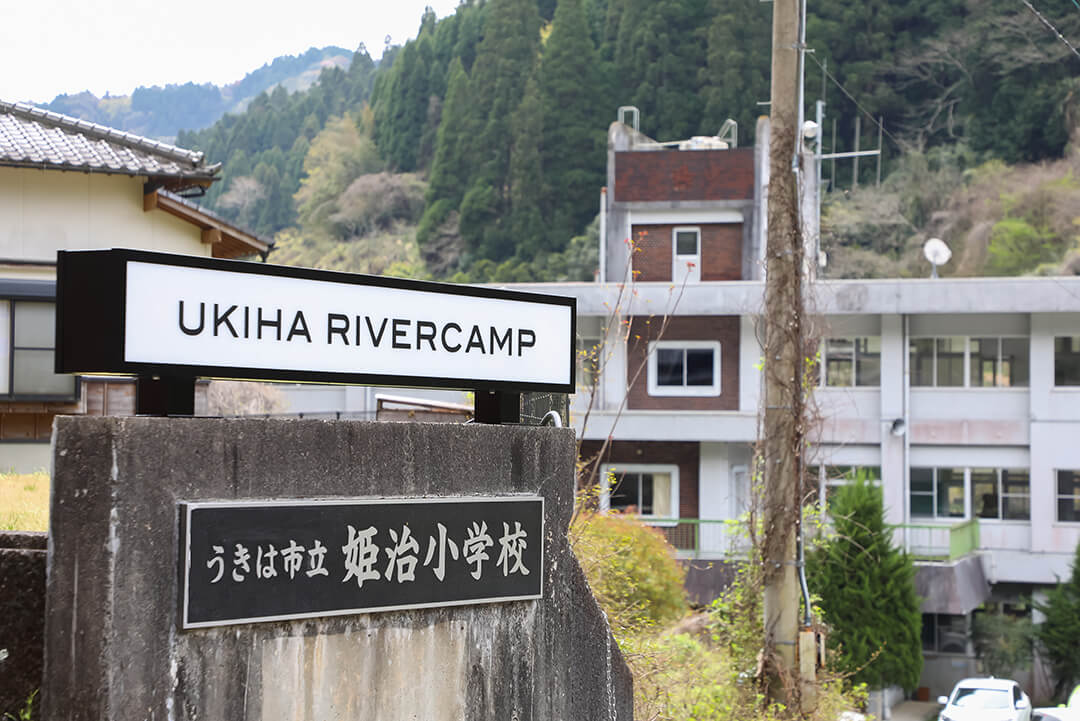
- - Himeji Elementary School closed in March 2018 and the property became vacant.
Characteristics of Ukiha City
- ・ Beautiful natural environment and abundant agricultural products
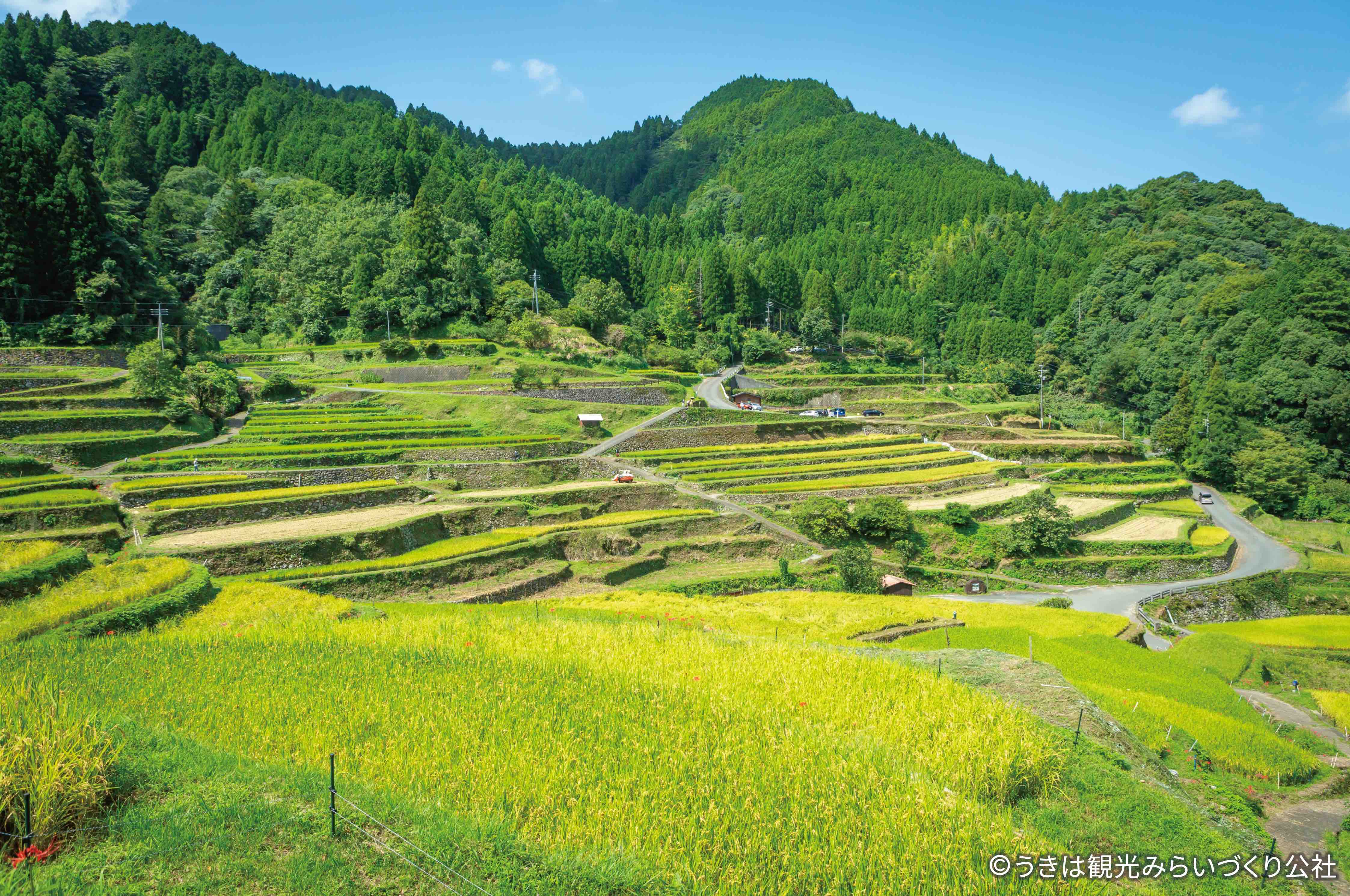
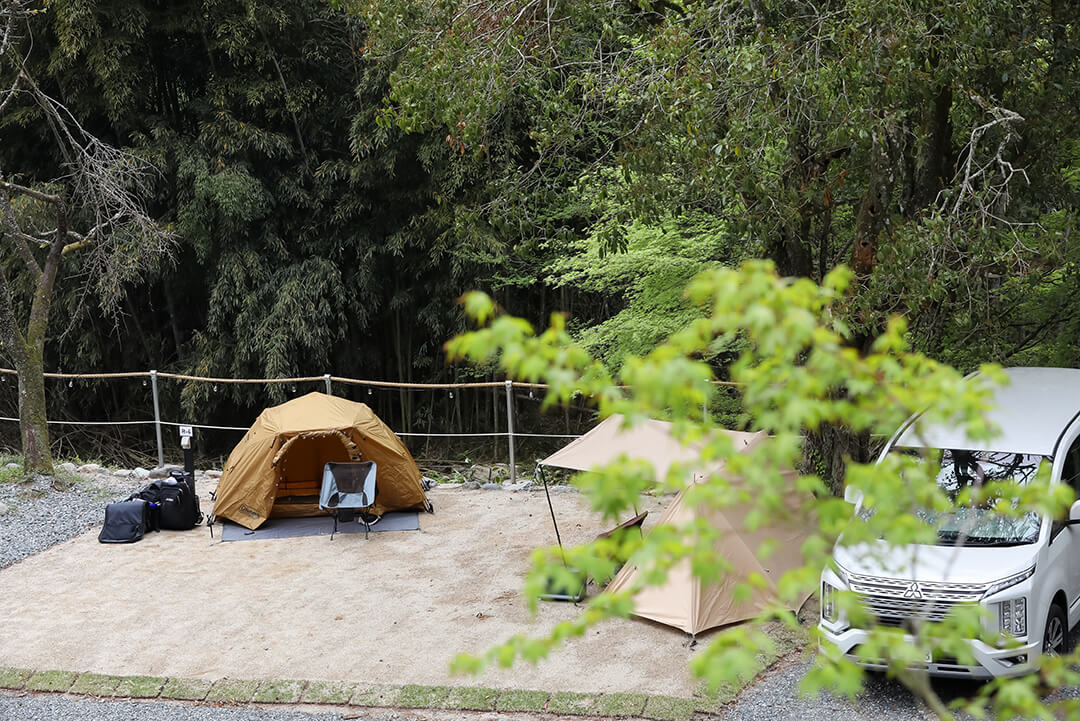
Ukiha City is located in the southeastern part of Fukuoka Prefecture, with the Mino Mountains to the south and the Chikugo River to the north. The Tsuzura Rice Terraces, selected as one of Japan's Top 100 Rice Terraces, spread across the mountain slopes of the Shinkawa and Tsuzura districts, making it a naturally rich area. It is also known as a "fruit kingdom" because you can enjoy fruits such as strawberries, peaches, blueberries, grapes, pears, and persimmons throughout the year. - ・ A region full of historical charm
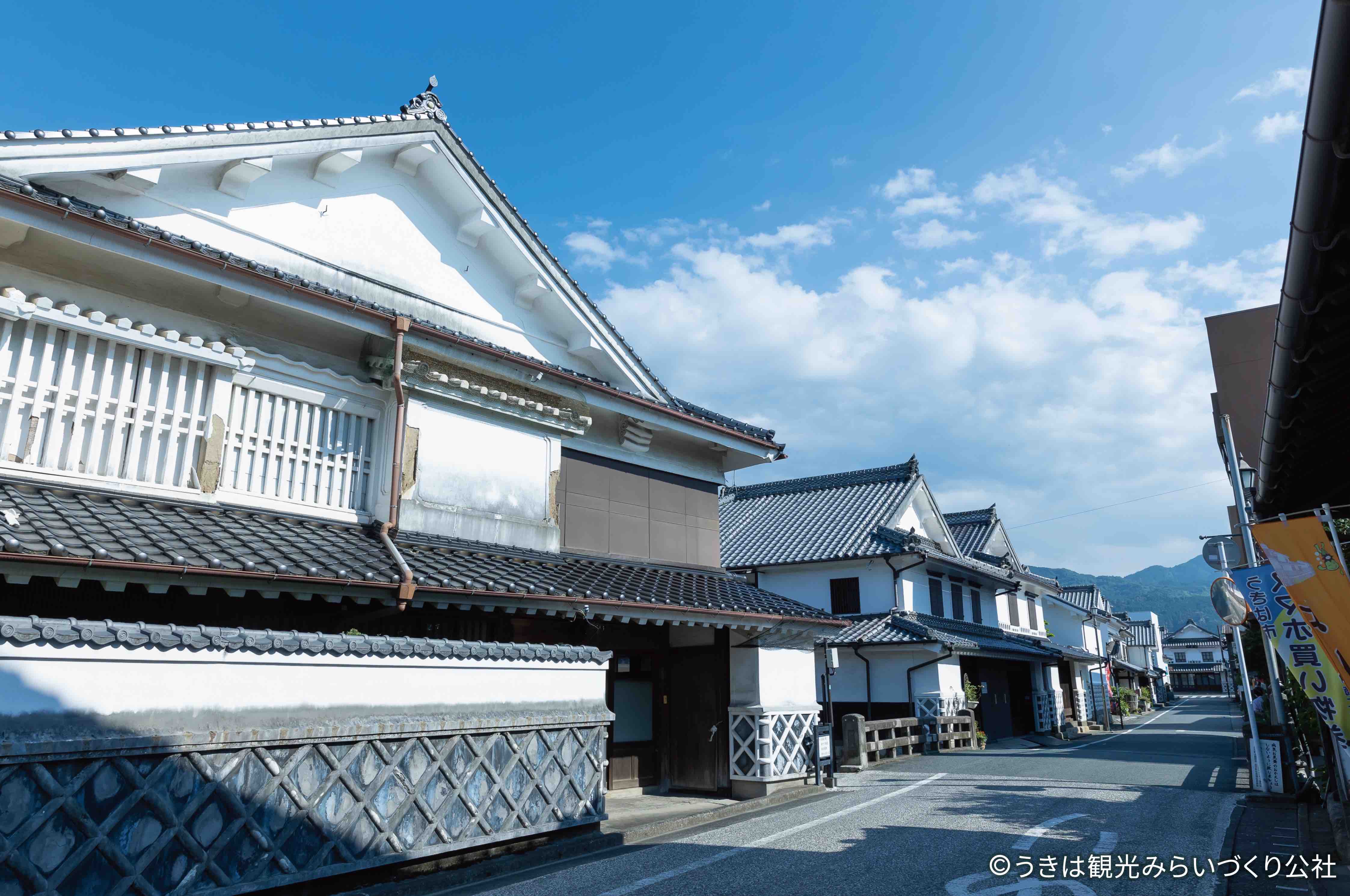
The Chikugo-Yoshii district, located in the heart of the area, boasts a "white-walled townscape" that flourished as a post town, while the Shinkawa-Tagomachi district, where UKIHA RIVERCAMP is located, features a "village of thatched-roof houses." Both districts are designated as "Important Preservation Districts for Groups of Traditional Buildings."

UKIHA RIVERCAMP Overview
| Location / Site | Former Himeharu Elementary School site, Ukiha City, Fukuoka Prefecture |
|---|---|
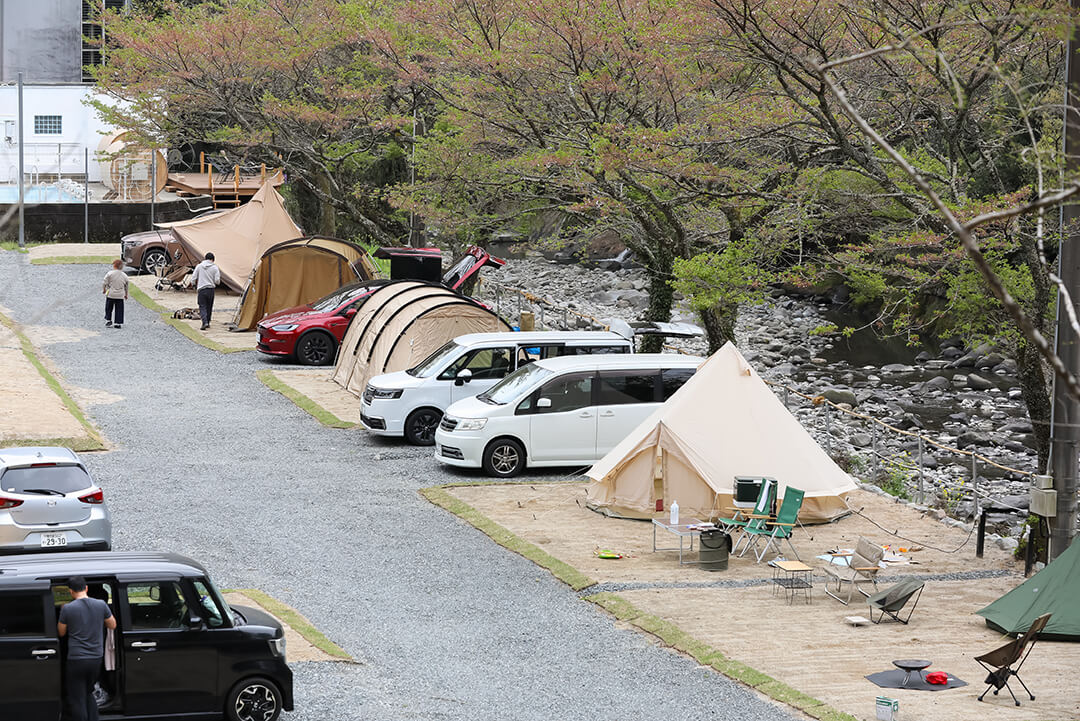
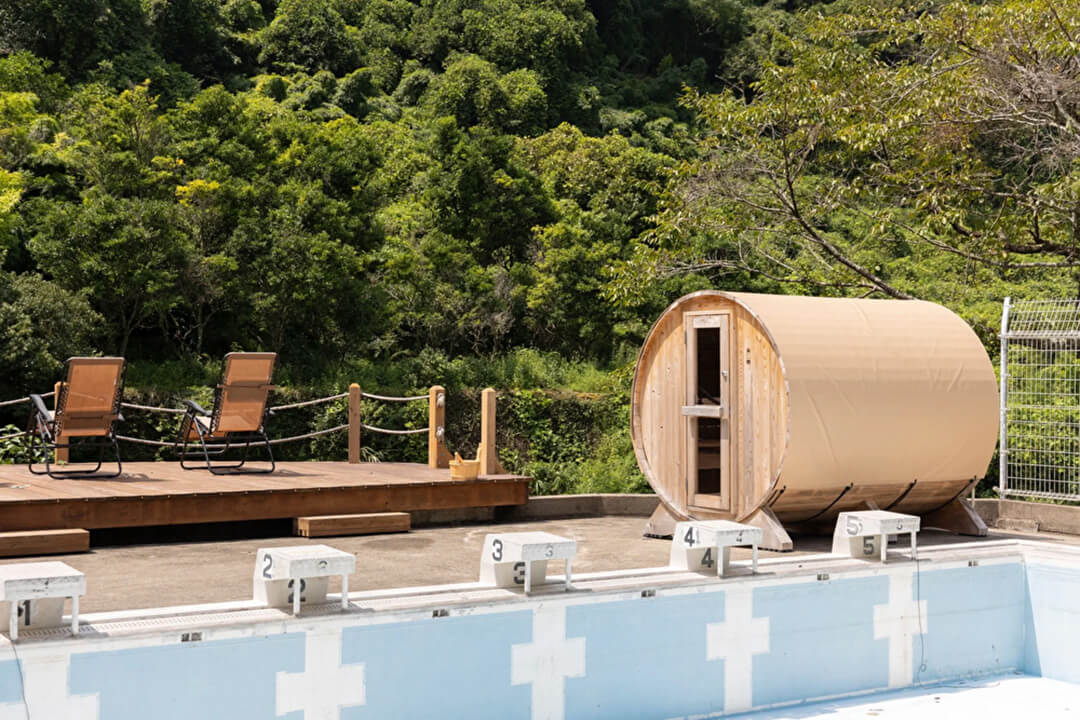
| Project Overview | Renovating a former school into a campsite, making the most of the rich natural environment and its unique location. |
| Main Objectives | Effective use of idle real estate and creation of a vibrant local community. |
| Project Partners | Takara Leben Co., Ltd. / VILLAGE INC Co., Ltd. (Planning, development, and operation of camping and glamping sites) |
| Opening Date | Pre-opening in November 2024 / Grand opening in April 2025 |
Effects on Regional Revitalization
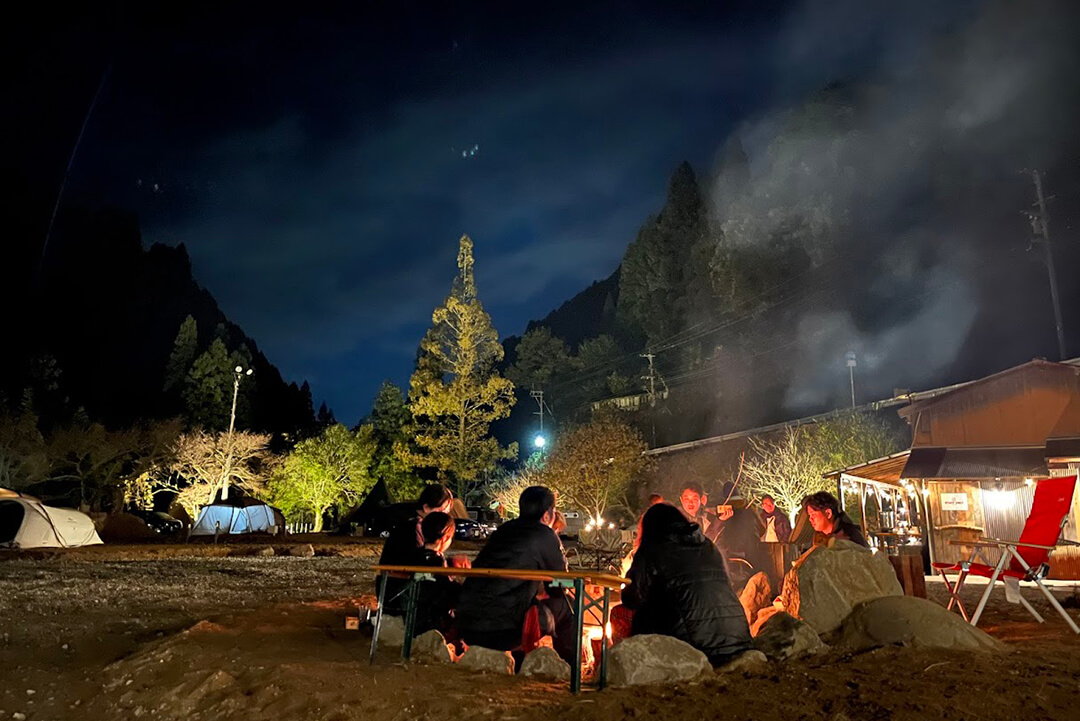
UKIHA RIVERCAMP aims to revitalize Ukiha City and address local issues by utilizing underutilized real estate property (the former school) that had been a problem in the city. This is expected to contribute to increasing the number of visitors, promoting tourism, utilizing local specialty products, and creating local employment. There are high expectations that this project will further revitalize Ukiha City's tourism industry.
Furthermore, in the event of an emergency, this facility can be used as an evacuation center, thus contributing to disaster preparedness in the community.
Going forward, we will continue to work with VILLAGE INC. to make this campsite an even more enjoyable place through upgrades and collaboration with nearby facilities, thereby contributing to long-term regional revitalization.
Kakogawa City, Hyogo Prefecture
Hiyokayama Park
Hiokayama Park Redevelopment, Lively Center Creation, Management and Operation Project
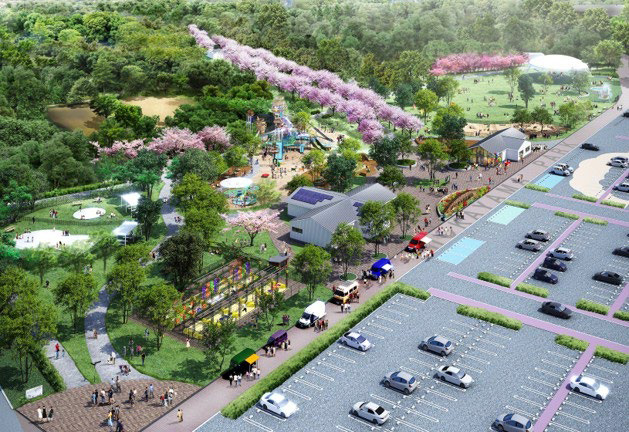
- *This diagram is an illustrative image and may be subject to change based on future detailed design.
Chuo-ku, Tokyo|
Sakuragawa Park, Chuo Ward
Chuo Ward Sakuragawa Park Public-Private Partnership Project